
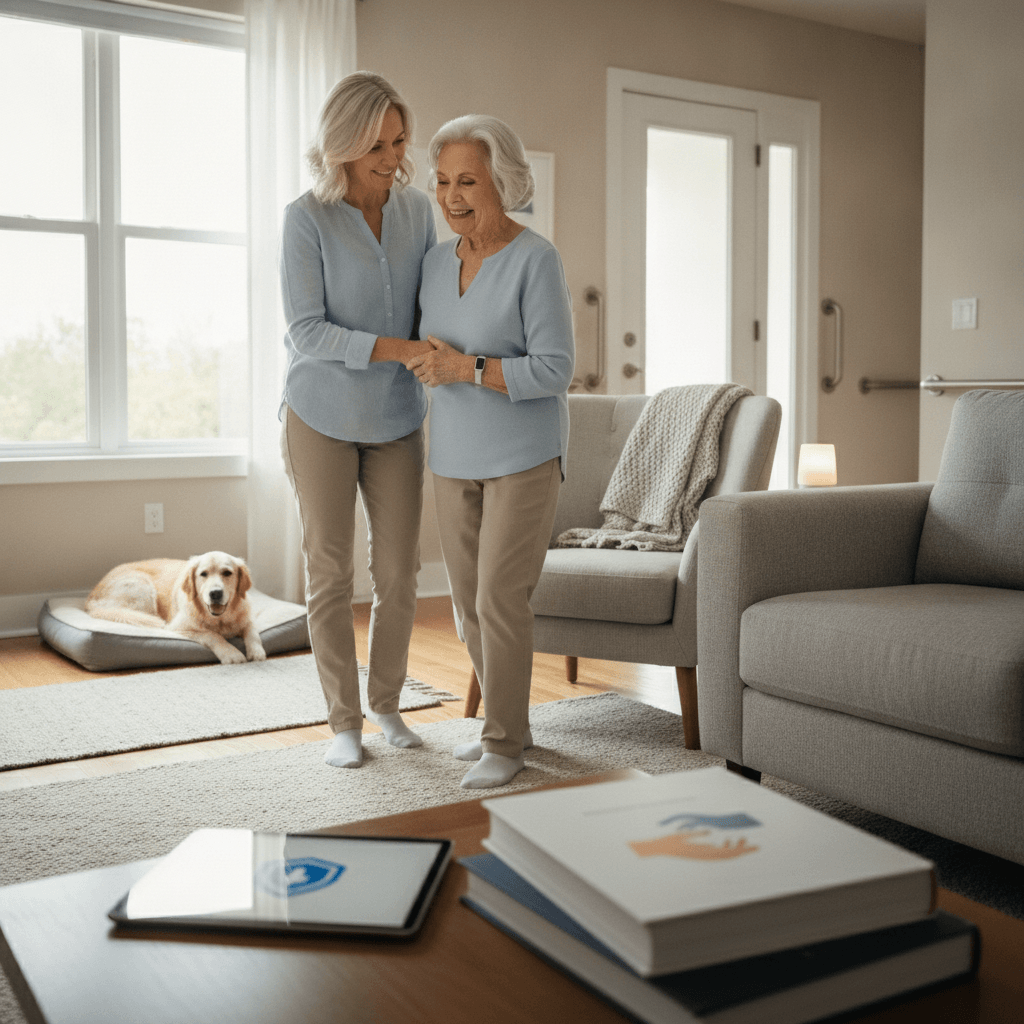
As we get older, life often shifts in ways that change how we live and interact with the world. For many, this means a desire to stay independent in their own homes for as long as possible. As someone who has seen firsthand the challenges and rewards of supporting aging family members, I understand this deeply.
Ensuring safety for our elders in their living spaces becomes a primary concern for families and caregivers. It is about more than just avoiding accidents. It is about maintaining dignity and quality of life.
I believe that with careful planning and proactive measures, we can create environments that support both safety and independence. This guide is built on practical experience and offers real steps you can take to make a meaningful difference.
Understanding Common Risks for Seniors at Home
When I talk about safety for aging loved ones, I always start with understanding the main risks. Older adults often face different dangers than younger people. Falls are a huge concern because they can cause serious injuries like broken bones. These injuries often lead to longer recovery times and a loss of independence. Statistics show that one in four older adults falls each year, and many of these falls happen right at home.
Beyond falls, medication errors pose another significant risk. Many seniors take multiple prescriptions, and it is easy to get confused about dosages or timing. Incorrect medication use can have severe health consequences. Fire hazards, kitchen accidents, and even carbon monoxide poisoning are also more common as cognitive and physical abilities change. We need to be aware of these broad categories of risks to address them effectively. Ignoring these subtle but serious dangers can have long lasting effects on health and well being.
Identifying Household Hazards
I always recommend walking through the home with a critical eye, almost as if you are seeing it for the first time. Look for loose rugs, cluttered pathways, and poor lighting which are prime tripping hazards. Stairs without handrails or slippery bathroom floors are also major culprits.
In the kitchen, consider stability. Is the stove easy to reach and use safely? Are heavy items stored where they can be lifted without strain? These small details add up. I have found that simply repositioning furniture or securing a loose carpet edge can prevent a major accident. It is about being observant and thoughtful in every room.
Health-Related Vulnerabilities
Beyond physical obstacles, certain health conditions increase safety risks. Poor vision can make navigating familiar spaces tricky, especially in low light. Hearing loss might mean missing important alerts like smoke detector alarms or a knock at the door. Balance issues, often linked to inner ear problems or certain medications, dramatically raise the chance of falls.
Cognitive decline, such as memory loss or confusion, can affect judgment and the ability to react appropriately to emergencies. For instance, an elder experiencing cognitive impairment might forget to turn off a stove or leave a door unlocked. Understanding these health-related vulnerabilities helps us tailor our safety strategies to individual needs. It is crucial to remember that each person’s situation is unique.
Creating a Fall-Proof Home Environment
Falls are a leading cause of injury among seniors, and many of these can be prevented with simple home modifications. As I learned from helping my own grandmother, even small changes can make a big impact. We need to think about clear pathways, secure surfaces, and assistive devices to support stability. Every room holds potential hazards.
It is important to consider the entire home. This means checking carpets, removing clutter, and making sure all areas are well lit. I always tell families that a truly safe home is one where their loved one can move freely and confidently. This often involves a bit of rearranging and installing helpful tools.
Clear Pathways and Secure Surfaces
One of the easiest steps I suggest is to remove all throw rugs and loose mats. These are notorious tripping hazards. If rugs are absolutely necessary, they should be securely taped down at all edges. I also make sure pathways between rooms and furniture are wide and clear of clutter. Cords from lamps or electronics should be bundled and kept out of walking areas.
For slippery floors, especially in kitchens or bathrooms, I recommend non-slip mats or treatments. Handrails on both sides of staircases are a must, and if possible, contrast tape on step edges helps improve visibility. These simple adjustments greatly reduce the risk of a stumble. A clear space makes a huge difference in mobility for anyone, but especially for seniors.
Bathroom Safety Features
The bathroom is often the most dangerous room in the house because of hard, slippery surfaces and tight spaces. I suggest installing grab bars inside and outside the shower or tub, as well as next to the toilet. A non-slip mat or textured strips in the shower or tub prevent slips. A shower chair or bench can offer a safe place to sit, reducing the effort and risk of standing while washing.
Raised toilet seats can also make a big difference for those with mobility challenges. I found these items to be relatively inexpensive but they provide significant benefits. They reduce strain and the risk of falling on a hard surface. Safety in the bathroom is paramount.
Smart Home Technology for Enhanced Senior Safety
Technology has given us some incredible tools to boost safety for our aging loved ones. I have seen how these devices can offer peace of mind to families and a greater sense of security for seniors themselves. It is not about replacing human care, but about supplementing it with smart solutions.
From simple voice-activated assistants to more complex monitoring systems, these innovations make daily life safer and more connected. The goal is always to empower independence while keeping a watchful eye. I believe these tools are becoming essential for modern senior care plans.
Wearable Devices and Remote Monitoring
Many seniors benefit from wearable devices like medical alert pendants or smartwatches. These often have fall detection and an emergency call button. If a fall occurs, the device can automatically alert designated contacts or emergency services. This is incredibly valuable because it ensures help arrives quickly, especially if a person cannot reach a phone.
Remote monitoring systems also allow family members to check in without being physically present. These systems can include motion sensors to track activity patterns, door and window sensors for security, and even smart cameras in common areas. I have used these to ensure a loved one is moving around as expected and not experiencing prolonged inactivity. This helps families stay connected and informed.
Voice-Activated Assistants and Smart Lighting
Voice-activated assistants like Amazon Echo or Google Home are more than just entertainment devices. They can be safety tools. I have set them up to remind loved ones about medication times, calendar appointments, and even to drink water. They can also make calls to family members or emergency services with a simple voice command, which is a big help if a phone is out of reach.
Smart lighting systems add another layer of safety. These lights can be set to turn on automatically when motion is detected, lighting up dark hallways at night. They can also be controlled by voice, so an elder does not have to fumble for a switch. This reduces the risk of falls in poorly lit areas and makes navigating the home easier. This blend of convenience and security is truly powerful for aging loved ones safety.
Managing Medications and Health Reminders
Managing medications can be a complex task, especially for seniors with multiple prescriptions. I have personally experienced the challenges of keeping track of different pills, dosages, and schedules. Mistakes can have serious health consequences, so a clear system is vital.
It is important to ensure medications are taken correctly and on time every single day. This means setting up effective reminders and finding ways to simplify the process. Many families find peace of mind when a solid medication management plan is in place. It helps prevent errors and supports consistent health routines.
Organized Medication Systems
I always recommend using a weekly pill organizer, clearly labeled for each day and time. Some organizers have compartments for morning, noon, evening, and bedtime doses. Pre-filling these once a week can reduce daily confusion and stress. For those with visual impairments, large-print labels or color-coded systems can be very useful.
Beyond physical organizers, I also suggest exploring automated pill dispensers. These devices can lock doses until the scheduled time and dispense them with an audible alert. Some even notify a family member or caregiver if a dose is missed. This technology can greatly simplify medication adherence and provide an important safety net. It helps take the guesswork out of daily medication routines.
Doctor Visits and Health Tracking
Regular communication with doctors is essential for medication safety. I always encourage family members to accompany their loved ones to appointments. This way, we can ask questions, clarify instructions, and make sure all doctors are aware of all medications being taken, even over-the-counter ones. It helps prevent adverse drug interactions.
Keeping a health journal is also a practical strategy. This journal can track medication schedules, any side effects, changes in symptoms, and doctor’s notes. I found this makes discussions with healthcare providers more productive and ensures everyone is on the same page. It also serves as a good record for future reference. This proactive approach supports ongoing health management.
Emergency Preparedness and Communication Strategies
Being ready for an emergency is a critical part of keeping aging loved ones safe. It is not just about big disasters. It is also about everyday situations like a sudden illness or a power outage. I have learned that having a plan in place makes a huge difference in how calmly and effectively everyone responds.
This means preparing an emergency kit, establishing clear communication methods, and ensuring everyone involved knows what to do. A well-rehearsed plan can reduce panic and help ensure quick access to necessary help or supplies. It is about anticipating needs and empowering quick action.
Creating an Emergency Plan and Kit
I always help families assemble a personalized emergency kit for their senior loved ones. This kit should include a supply of essential medications, a list of doctors and emergency contacts, and copies of important documents. Flashlights, extra batteries, a first-aid kit, and enough non-perishable food and water for several days are also crucial.
A clear emergency plan should be written down and posted in an easily accessible spot. It should detail what to do in case of a fire, a medical emergency, or a natural disaster. Include escape routes, meeting points, and who to call. I make sure everyone involved, including neighbors or other family members, understands the plan. This prepares everyone for the unexpected.
Establishing Communication Networks
Reliable communication is vital during emergencies. I encourage seniors to keep a charged mobile phone close at all times, even if they prefer a landline. Programming emergency numbers for quick dialing is also important. A simple, easy-to-use phone can be a lifesaver.
We should also establish a communication tree for family and friends. This ensures that information is shared quickly and efficiently if a loved one needs help or if there is a general emergency in the area. Checking in regularly, especially during severe weather or other crises, helps ensure everyone is safe and accounted for. This network provides comfort and practical support.
Protecting Against Scams and Financial Exploitation
Seniors are often targets for scams and financial exploitation because of their trust, polite nature, and sometimes, unfamiliarity with modern technology. I have seen the devastating effects these crimes can have on older adults and their families. It is a heartbreaking situation that calls for strong preventative measures.
Educating our loved ones and putting safeguards in place is incredibly important. We need to be vigilant and proactive in protecting their financial well-being and peace of mind. Many scammers prey on loneliness and fear, so building a strong support system is also key.
Recognizing Common Scams
I always talk with seniors about common scam tactics. These can include calls from people pretending to be from the IRS or tech support, lottery scams that demand upfront fees, or romance scams that target lonely individuals. I emphasize that legitimate organizations will never demand immediate payment via gift cards or wire transfers.
I also advise against clicking on suspicious email links or giving out personal information over the phone unless they initiated the call to a trusted source. Scammers are very clever and persuasive. I tell people to always verify requests by contacting the organization directly using a known, official phone number, not one provided by the caller. This critical step can prevent many losses.
Safeguarding Financial Information
Protecting financial information is essential. I help my loved ones set up strong, unique passwords for all online accounts and encourage them to use two-factor authentication whenever possible. Shredding documents with personal or financial details before throwing them away prevents identity theft.
I also suggest discussing financial planning with a trusted family member or a financial advisor. This can involve setting up direct deposit for benefits and limiting cash access if appropriate. Regularly reviewing bank statements for unusual activity is also a good habit. These steps create layers of protection against financial fraud and exploitation. It is a team effort to keep finances safe.
Promoting Mental and Emotional Well-being for Safety
Safety for aging loved ones is not just about physical security. It also deeply involves their mental and emotional well-being. I have learned that a person feeling good mentally and emotionally is better equipped to handle daily challenges and recognize potential dangers. Isolation and depression can make someone more vulnerable to risks.
So, we need to focus on fostering strong social connections, encouraging engaging activities, and being attentive to changes in mood or behavior. A holistic approach to safety considers both the body and the mind. It makes a big difference in overall quality of life and resilience.
Encouraging Social Connections and Activities
Loneliness can be a silent danger for seniors. I always encourage regular social interaction, whether through family visits, community groups, or virtual connections. Arranging outings to senior centers, libraries, or local parks provides mental stimulation and a sense of belonging. Pet ownership can also offer companionship and purpose.
Engaging in hobbies like gardening, reading, or crafts helps keep the mind active and spirits high. I have seen how staying busy and connected can boost confidence and reduce feelings of vulnerability. It is about finding what brings joy and purpose to their days. These connections are vital for a happy life.
Recognizing Signs of Decline and Seeking Support
It is important for families and caregivers to be attentive to any subtle changes in a senior’s behavior, mood, or cognitive function. Increased forgetfulness, changes in hygiene, withdrawal from social activities, or unusual agitation can be signs of underlying issues. These shifts might indicate a need for more support or a medical evaluation.
I always advise consulting with doctors or geriatric specialists if you notice concerning changes. Early intervention can often address problems before they become more severe. Support groups and resources for caregivers are also invaluable. They offer a place to share experiences and learn new strategies for providing care. We are not alone in this journey.
Securing the Future for Our Seniors
Ensuring the safety of our aging loved ones is a profound expression of care and love. I have shared many practical steps and insights, from securing the physical home to implementing smart technology and protecting against scams. I believe that by understanding common risks, creating safe environments, managing medications effectively, and preparing for emergencies, we can empower seniors to live with greater independence and dignity. We also must remember that mental and emotional well-being are just as critical as physical safety. Fostering social connections and staying vigilant for signs of change are vital aspects of truly caring for our elders. This collective effort provides peace of mind for both seniors and their families. I encourage you to take these steps and adapt them to your specific situation, creating a safe and supportive paradise for those who matter most.
